Faculty profiles

Learn from people who practice.

LogicVersity courses are designed around practitioner-led instruction: faculty who can translate strategy, tools, facilitation, and implementation into concrete workplace capability.

8Core instructors
10Course catalog
1Practice-first standard
Instruction philosophy

Faculty selected for execution, not presentation alone.

The strongest professional training comes from instructors who can diagnose the room, adapt examples to the business context, and convert course content into usable artifacts: roadmaps, scripts, canvases, prototypes, rituals, and decision frameworks.

Note: Instructor availability is matched to each cohort's dates, format, and language. Request a proposal to confirm which faculty member is assigned to your program.

Faculty areas

Practitioner profiles matched to the work your team needs to improve.

AI & automation

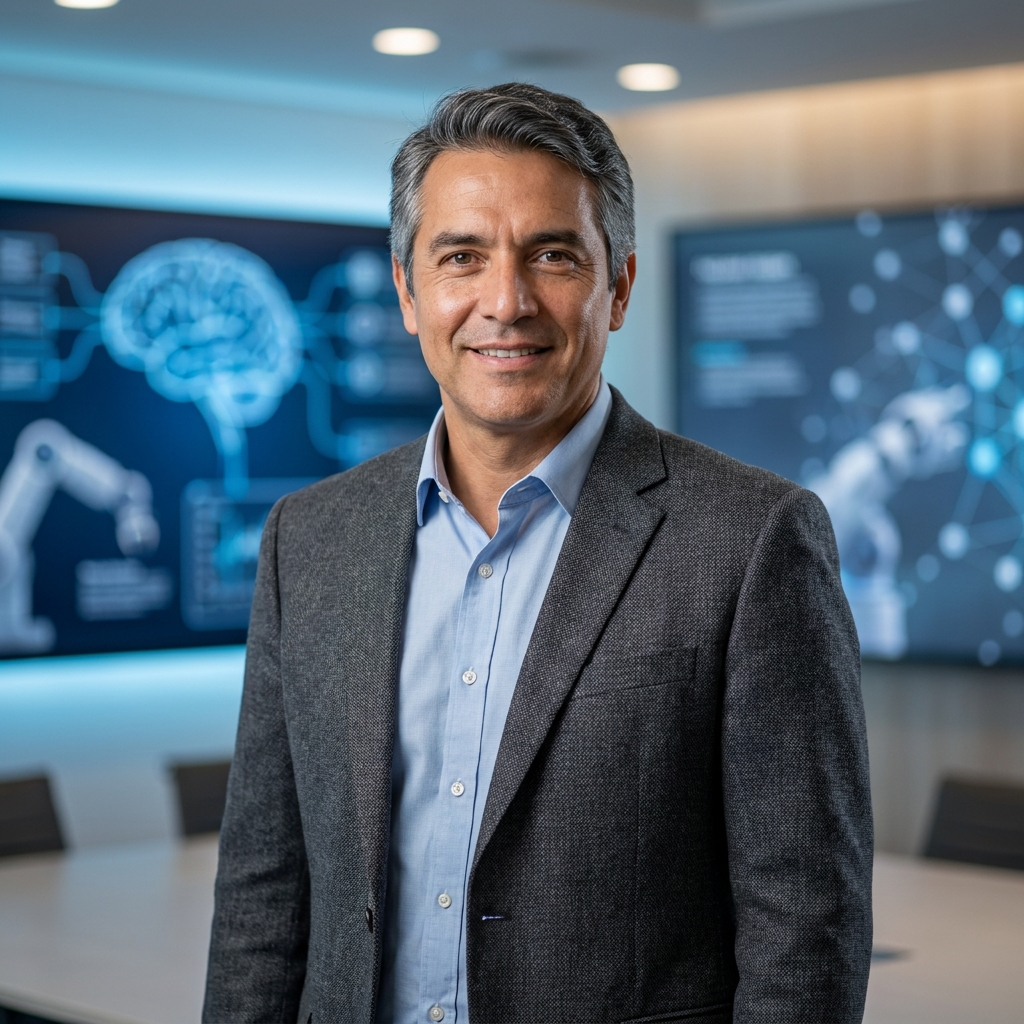
Mateo Andrade Salcedo

AI Strategy & Automation Lead

Mateo spent over a decade building and deploying AI and automation pilots inside banking, retail, and logistics companies before moving into full-time instruction. He focuses on turning AI curiosity into adoption: use-case discovery, workflow redesign, prompt systems, and governance teams can actually run.

  • Credentials: M.Sc. in Artificial Intelligence; certified in enterprise automation platforms.
  • Best fit for: AI-driven business, prompt engineering, automation strategy.
  • Typical output: prioritized AI opportunity map and pilot roadmap.
AI strategyPromptsAutomation
Experience design

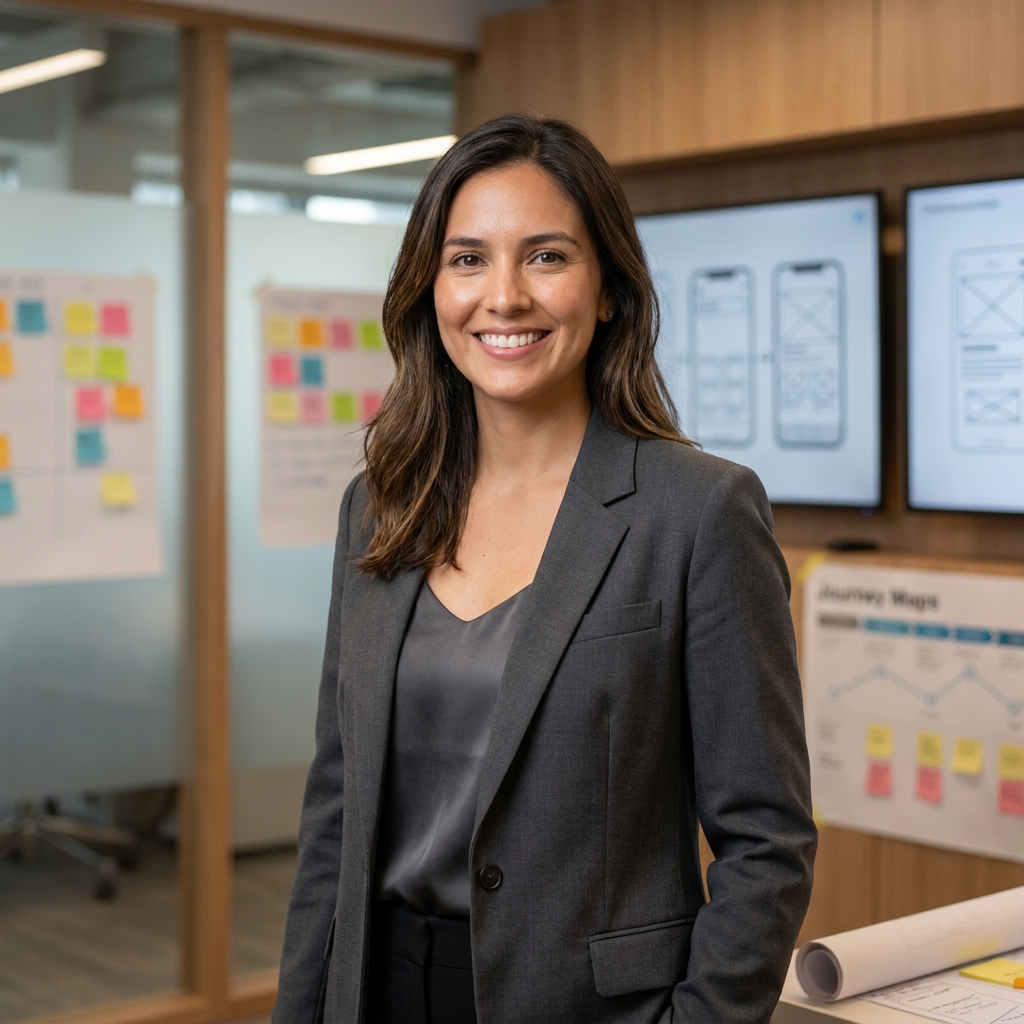
Camila Reyes Ortiz

UX & Service Experience Director

Camila has led UX and service-design practices for hospitality, telecom, and fintech brands across the region, with a focus on turning journey research into decisions teams can ship. In the classroom she runs live critique, journey mapping, and prototyping rather than slide-only theory.

  • Credentials: UX certification (Nielsen Norman Group); service design practitioner training.
  • Best fit for: service experience design, storytelling, design thinking.
  • Typical output: journey map, service blueprint, and experience principles.
UXCXService design
Delivery systems

Andrés Falconí Rivera

Agile Delivery Coach

Andrés has coached product, operations, and leadership teams through Scrum and Kanban transitions for over twelve years, most recently inside mid-size software and manufacturing organizations. He teaches through simulation and live retrospectives rather than framework lectures.

  • Credentials: Certified Scrum Professional; Professional Kanban trainer.
  • Best fit for: Scrum, Kanban, Agile leadership, delivery improvement.
  • Typical output: operating cadence, board design, role clarity, metrics map.
ScrumKanbanFlow
Facilitation

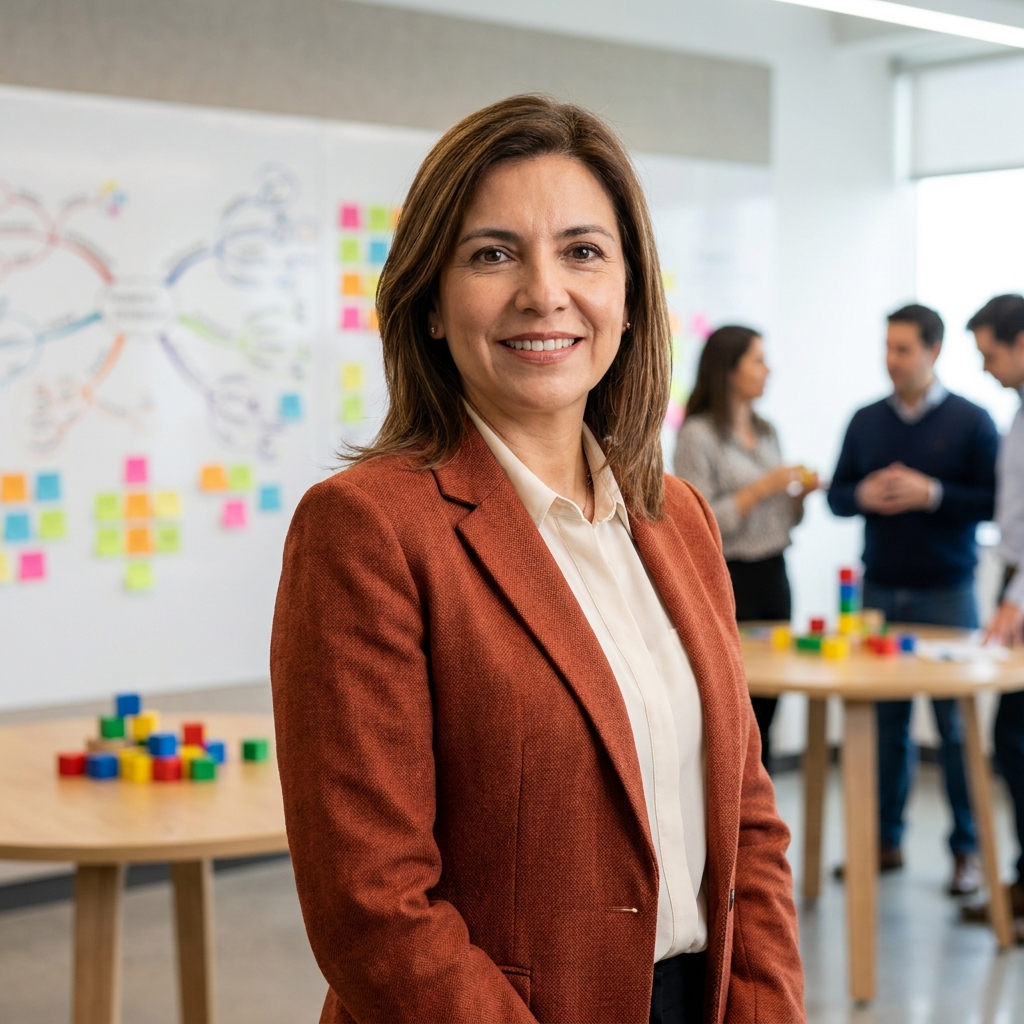
Valentina Cordero Paz

Innovation & Facilitation Lead

Valentina designs participatory workshops for leadership teams that need to align fast: LEGO® Serious Play®, design thinking sprints, and gamified problem-solving sessions. Her sessions are built around structured build-and-reflect cycles that get a room to a decision, not just a discussion.

  • Credentials: Certified LEGO® Serious Play® facilitator; design thinking practitioner.
  • Best fit for: LEGO Serious Play, design thinking, gamified workshops.
  • Typical output: problem models, concept options, decision criteria.
LSPIdeationWorkshops
Workflow automation

Diego Salazar Vintimilla

No-Code & Low-Code Solutions Lead

Diego builds internal tools and automations for operations teams using no-code and low-code platforms, and teaches business users to do the same. Sessions are build-along: participants leave with a working prototype, not just a tool comparison chart.

  • Credentials: Certified in leading no-code/low-code platforms; former operations systems lead.
  • Best fit for: no-code/low-code, workflow digitization, rapid prototyping.
  • Typical output: process map, data model, prototype, automation backlog.
No-codeLow-codePrototype
Future of work

Isabela Montalvo Chávez

Future-of-Work Strategist

Isabela advises HR and leadership teams on workforce planning as technology reshapes roles, drawing on a background in organizational development and talent strategy. She works from real skills audits, not generic trend decks, to build adaptation plans teams can start on Monday.

  • Credentials: Postgraduate certification in Organizational Development; SHRM-aligned HR training.
  • Best fit for: futures of work, leadership, reskilling, digital adaptability.
  • Typical output: role capability map and 90-day learning roadmap.
SkillsLeadershipAdaptability
Immersive learning

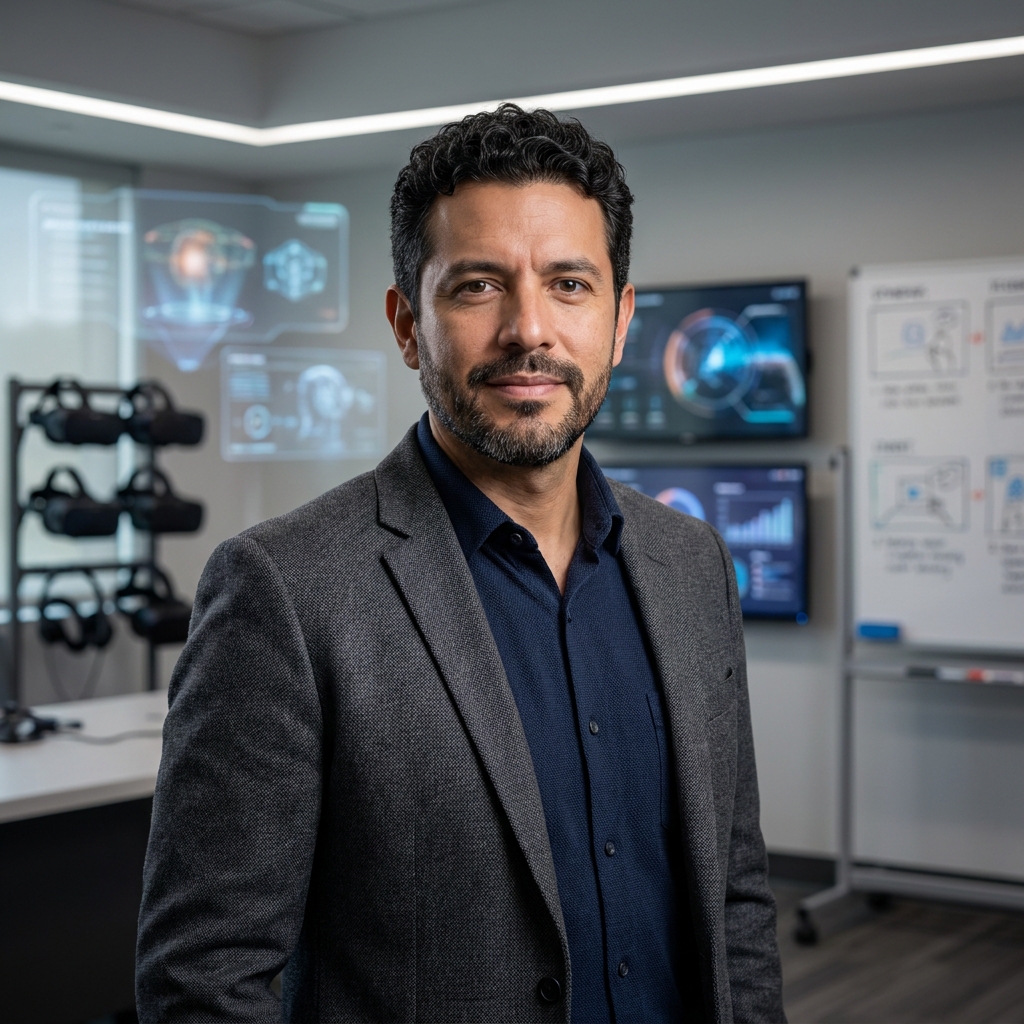
Sebastián Rosero Andino

Immersive Learning Designer

Sebastián designs AI-supported AR and VR experiences for training, product demos, and simulation, bridging technical build with instructional design. He pairs live demos with structured experience critique so non-technical teams can brief and evaluate immersive projects with confidence.

  • Credentials: B.Sc. in Interactive Media; certified in immersive experience design tools.
  • Best fit for: AI + AR/VR, immersive experiences, learning innovation.
  • Typical output: immersive concept brief, storyboard, prototype plan.
ARVRSimulation
Organizational learning

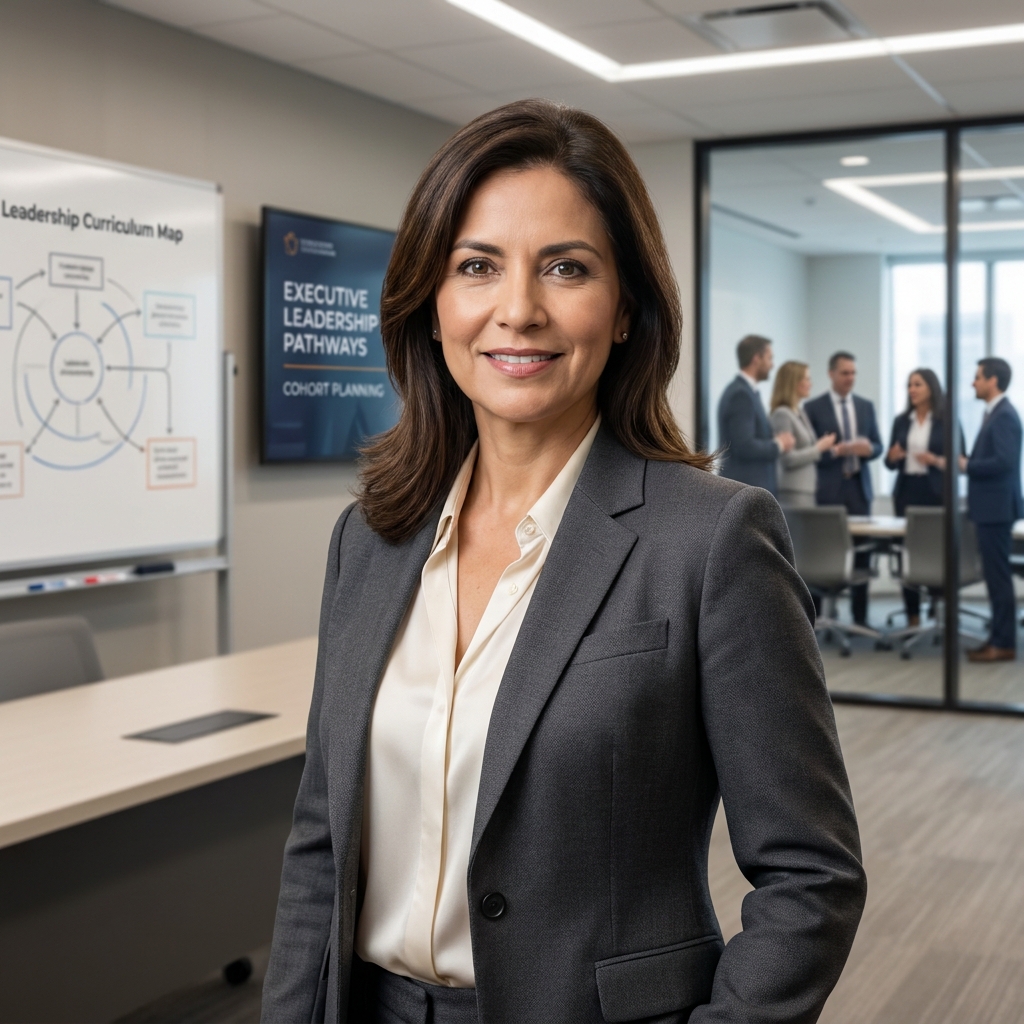
Gabriela Espinoza Terán

Enterprise Learning Director

Gabriela designs multi-course learning paths for organizations, aligning business goals, learner roles, and delivery format across departments and executive cohorts. Her consultative approach starts with a diagnostic, not a catalog, so training maps to what leadership actually needs solved.

  • Credentials: MBA; certified in learning and development program design.
  • Best fit for: multi-course programs, executive cohorts, department training.
  • Typical output: curriculum map, cohort plan, success indicators.
L&DCohortsStrategy
Selection standards

What every LogicVersity instructor should bring to the room.

Applied experience

Faculty should be able to connect concepts to real decisions, constraints, teams, workflows, and deliverables.

Instructional clarity

Sessions should be structured, practical, accessible, and paced for professionals who need to apply the material quickly.

Usable artifacts

Courses should produce working outputs: maps, prompts, boards, prototypes, scripts, frameworks, or implementation plans.

Group facilitation

Instructors should manage discussion, exercises, stakeholder alignment, and different levels of participant experience.

Professional conduct

Faculty should respect confidentiality, intellectual property, accessibility, participant privacy, and client-specific constraints.

Outcome orientation

Each engagement should define what participants should understand, build, decide, or improve by the end of training.

Course matching

Match the faculty profile to the training objective.

For corporate programs, LogicVersity can combine multiple faculty profiles into one learning path when the objective crosses strategy, design, technology, and delivery.

Training objective Faculty profile Relevant course path Practical output
Identify credible AI use cases and launch a controlled pilot. AI Transformation Faculty AI-Driven Business + AI Prompt Engineering Use-case map, prompt library, automation backlog, pilot plan.
Improve customer, employee, or learner experience. UX and Service Experience Faculty UX Disney Experience + Design Thinking with Gamification Journey map, service blueprint, experience principles, prototype concept.
Increase team delivery visibility and reduce coordination friction. Agile Delivery Faculty Next-Gen Agile Methodologies Workflow board, operating cadence, backlog structure, metrics map.
Replace manual work with lightweight digital tools. No-Code and Low-Code Faculty No-Code & Low-Code Revolution Process map, prototype, data model, automation roadmap.
Prepare teams for technology-driven shifts in roles and skills. Digital Adaptability Faculty Futures of Work Skills matrix, role scenarios, 90-day learning roadmap.
Design immersive learning, demos, or simulation concepts. AI + AR/VR Faculty AI + AR/VR: Creating Immersive Experiences Immersive concept brief, storyboard, prototype plan, adoption notes.
Engagement process

How LogicVersity aligns faculty to a cohort.

01

Diagnose the objective

Clarify the business problem, audience, current baseline, timeline, and required outputs.

02

Match expertise

Select the faculty profile that fits the challenge, technical depth, and participant seniority.

03

Adapt the course

Shape examples, exercises, tools, and artifacts around the team’s operating context.

04

Deliver with outputs

Run the training so participants leave with decisions, frameworks, prototypes, or plans they can use.

Questions

How to use these faculty profiles.

How is an instructor matched to my team?

Matching depends on course objective, participant seniority, technical depth, language, delivery format, and available cohort dates. Tell us the outcome you need and we'll recommend the right fit.

Can a company request a specific instructor?

Yes. If your team has worked with a LogicVersity instructor before, or a case study points to a specific faculty member, you can request them directly for your next engagement.

Can multiple instructors support one program?

Yes. Multi-course programs can combine strategy, UX, Agile, AI, no-code, and immersive-learning expertise when the outcome requires multiple disciplines.

Do instructors teach in Spanish and English?

Most LogicVersity faculty teach bilingually. Confirm your preferred language when you request a proposal so materials and delivery match your cohort.

Request faculty fit

Match the right instructor to your objective.

Tell us the course, audience, seniority level, preferred format, and outcome your team needs. LogicVersity can recommend the faculty profile and course path that best fit the engagement.